Role
Design lead
Responsibilities
Conversational AI for a Medical Simulator
Usability test for a high-end maternity simulator in Norway, the UK and the US, and Denmark. The impact of the test cut the product from 12 modules to 5 and held the Conversational AI back until it could be trusted.
Team: Ian Hoskins (Teach Lead), Alison Medley Lassen (Product Manager), Jesper Paerregaard (C.AI Product Owner)

Why an advanced maternity simulator?
The existing market solutions are outdated to trains nurses, midwives and obstetric residents where they work.
75%
"Around 75% of all maternal deaths come from a handful of causes, led by severe bleeding after childbirth." - Wolrd Health Organization
20 million
Globally, an estimated 20 million women a year develop long-term health problems as a result of pregnancy or childbirth. - WHO/UNICEF/UNFPA
Anne was built across Norway, the UK, the US and Denmark.
Challenges:
What do we build first and why?
Leadership request for MR and Conversational AI features on their new flagship simulator.

Conversational AI 🗣️
Goals:
Can the conversation be scripted?
What does the developer need? Prototype in VoiceFlow or an Excel of triggers and responses?
How the C.AI activates?
What happens when Anne doesn’t understand?


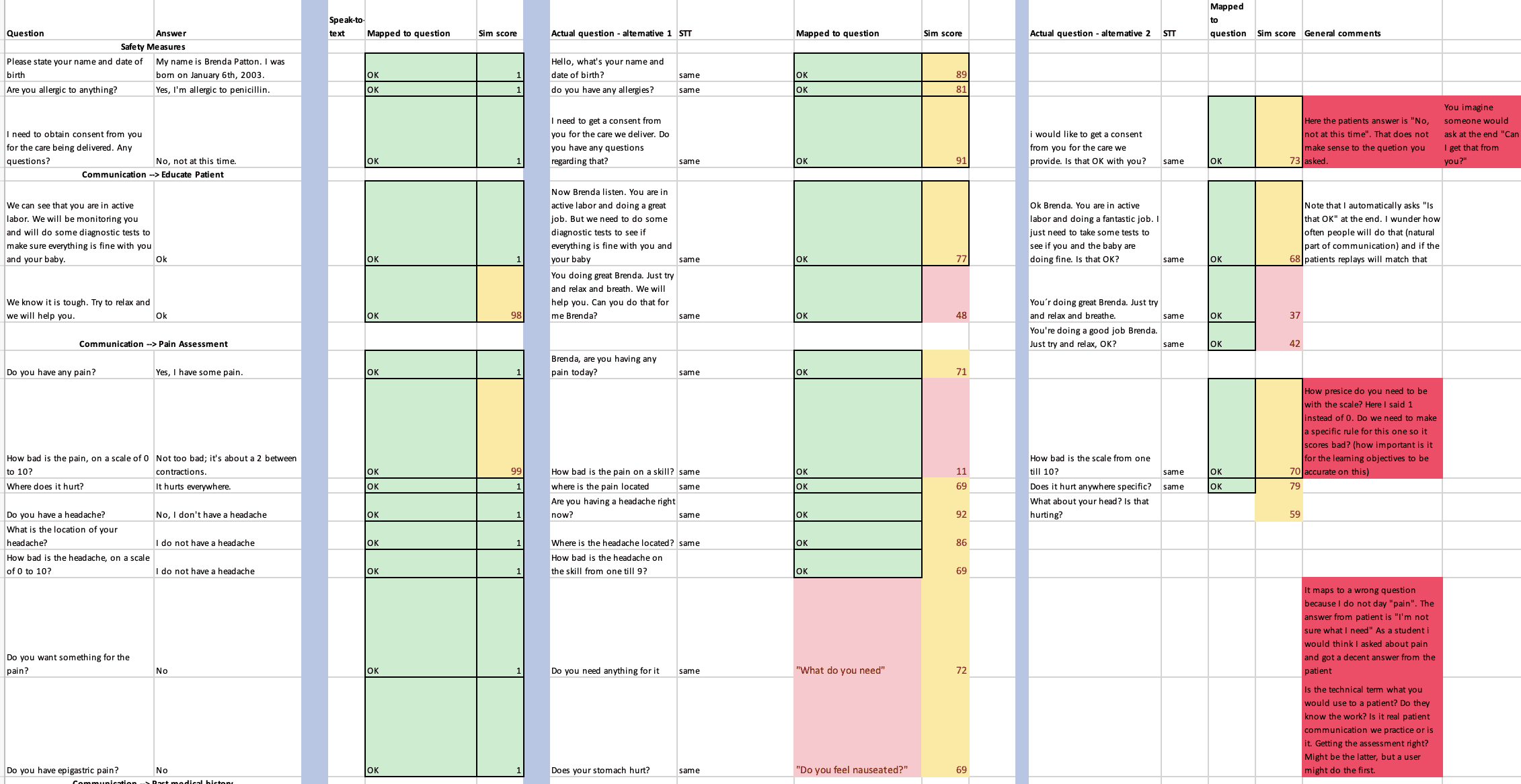
Prototype


Impact
Management: 12 to 5 product module combinations and C.AI descoped.
Conversational AI: defined how the wake word and tone of voice should behave and that the feature shouldn’t ship yet.
Shipped: MamaAnne launched in 2024. iF Design Award 2025. New York Times coverage.


Learnings
A wake word built for a living room doesn't survive a hospital room. You don't wake a patient in pain. Context beats convention.
Latency is a trust problem, not a performance one. Users judged Anne as cold before they judged what she said.
Technology can be an amazing sales tool but if the experience is bad the customers will feel betrayed.